ALLIANCE FOR EUROPEAN FLAX-LINEN AND HEMP
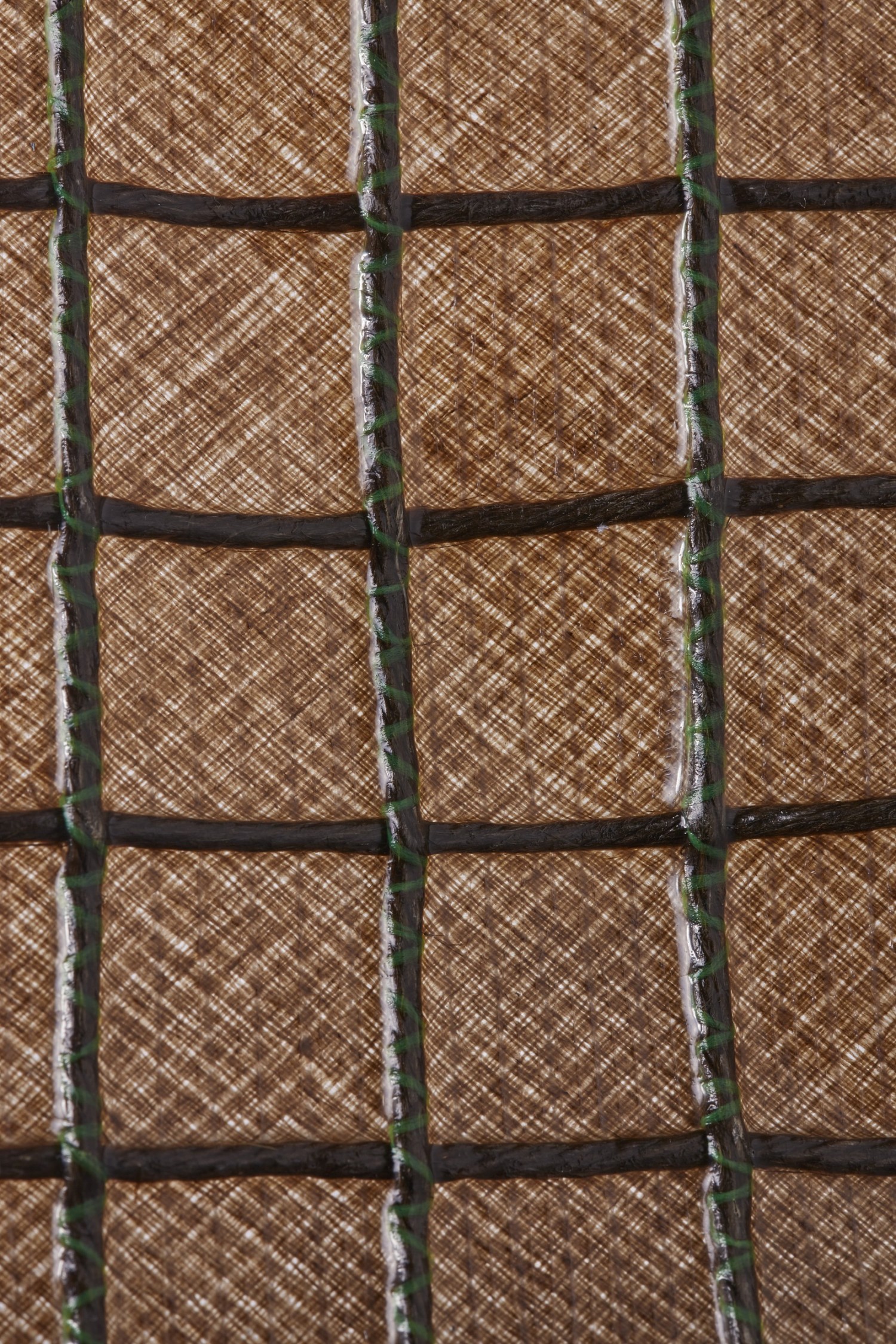
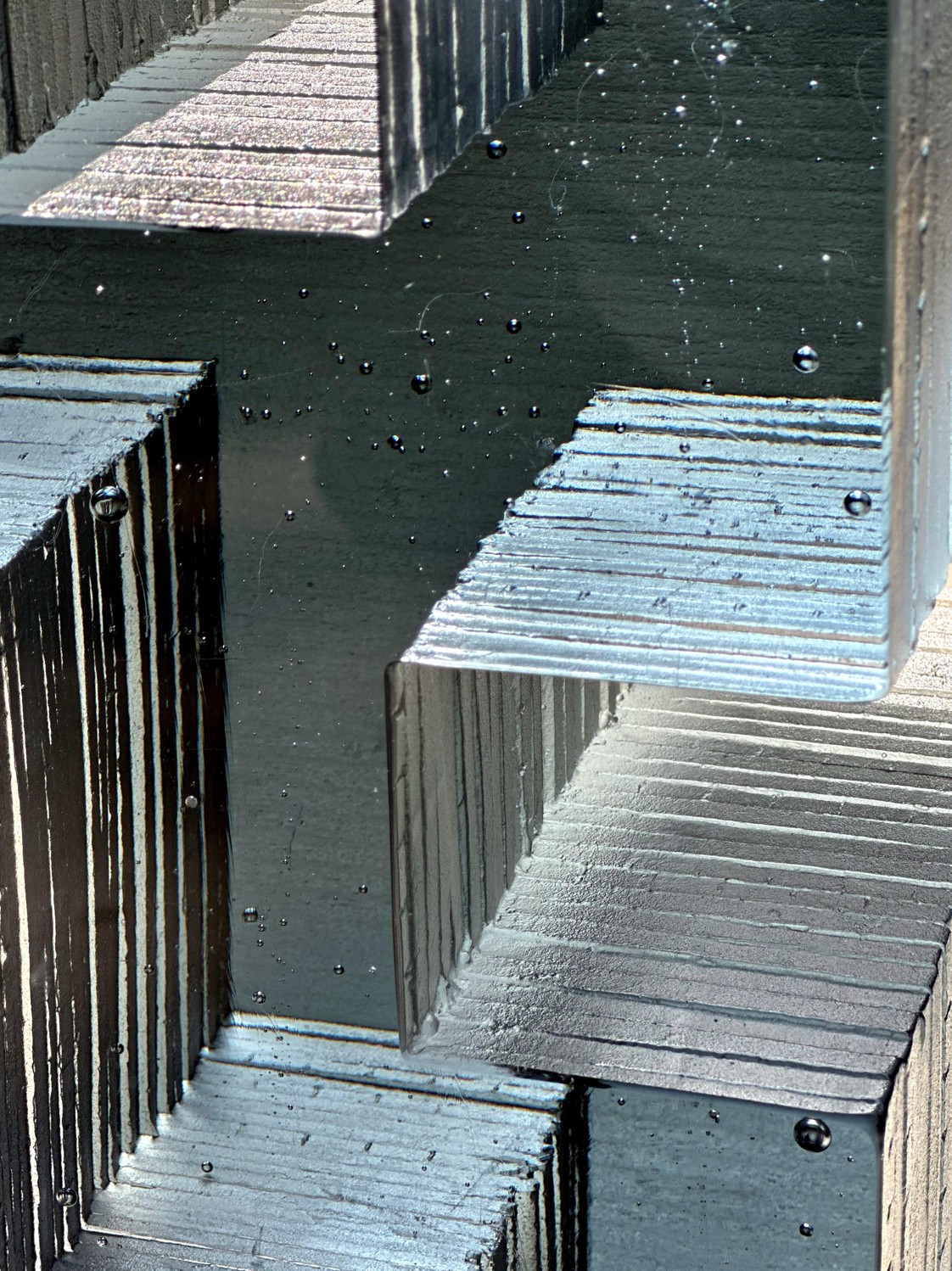
The Alliance for European Flax-Linen & Hemp is the only agri-industrial organisation bringing together the entire European flax and hemp value chain. For more than 70 years, it has supported a sector in which Western Europe accounts for nearly three-quarters of global production. From textiles, panels, and wall coverings to composite materials and technical solutions, flax and hemp have become key materials for architecture, design, and interior spaces, thanks to their technical performance, environmental benefits, and aesthetic appeal, expressed through their natural tones and authentic character.
PROCÉDÉS CHENEL
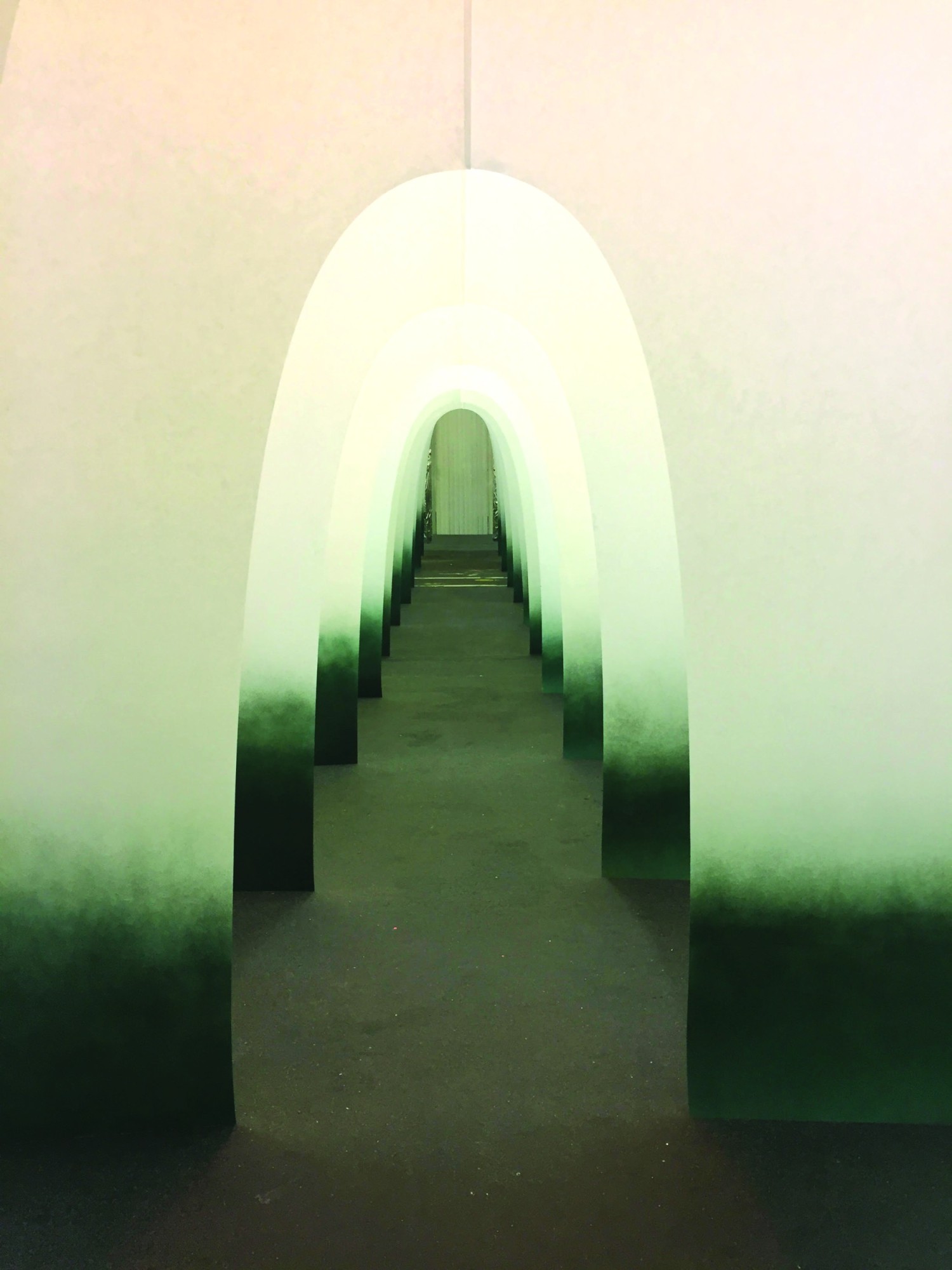
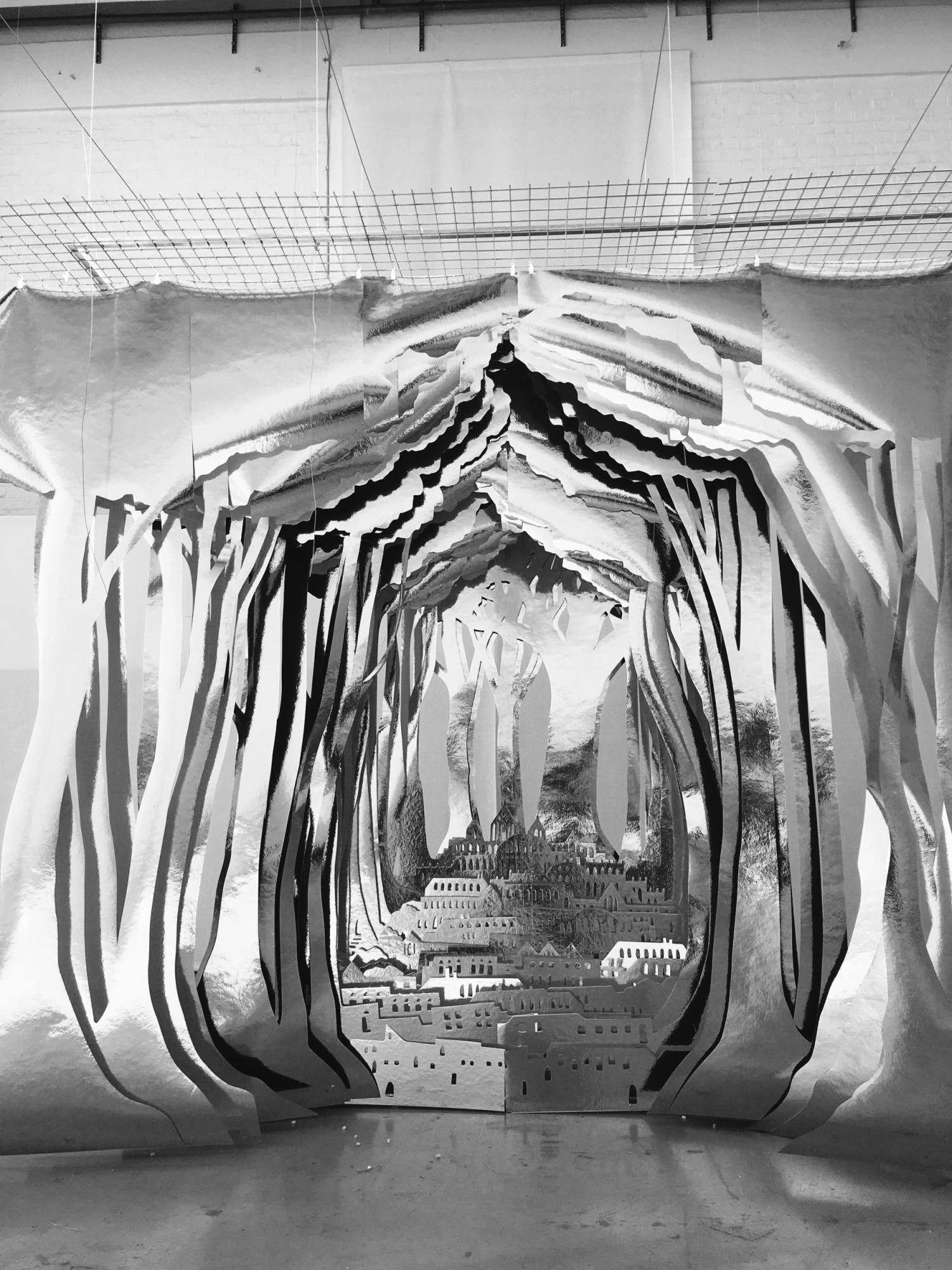
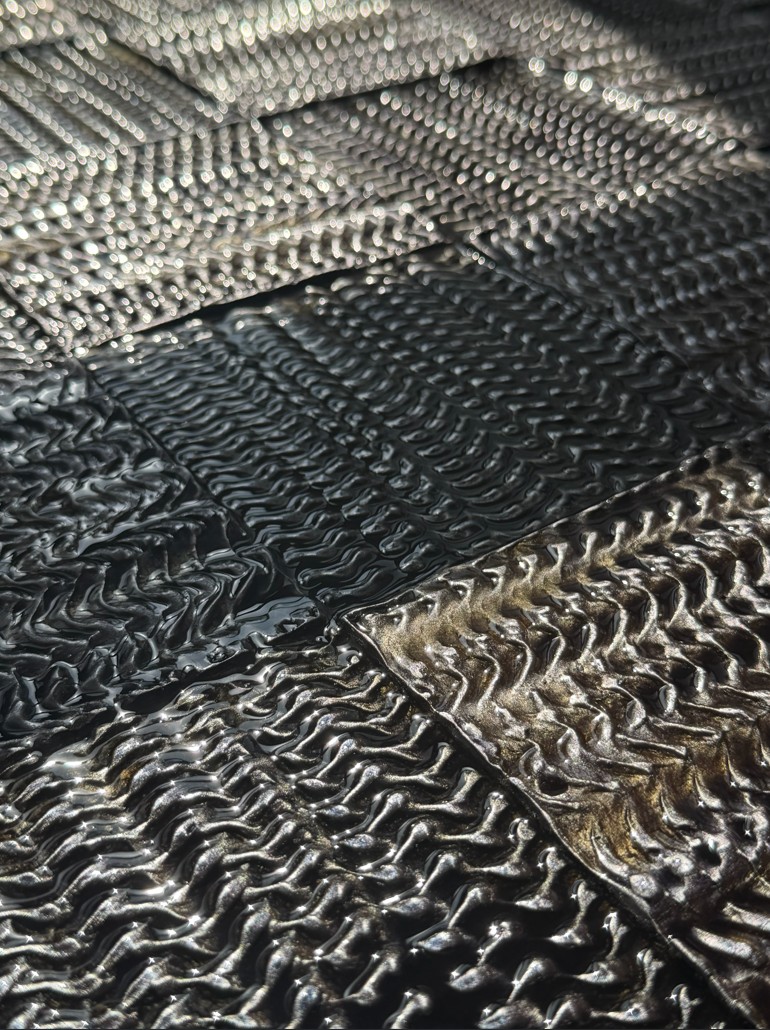
For more than a century, Procédés Chénel International has been developing lightweight solutions for exhibition designers, event professionals, and interior architects: banners, ceilings, partitions, lighting fixtures, furniture, and decorative objects made from innovative fire-rated materials—including paper, kraft paper, cardboard, tracing paper, honeycomb structures, and textiles—that can be printed and cut to meet the requirements of each project. Backed by more than a century of expertise, the team is committed to an environmentally and socially responsible approach.
MOSART®
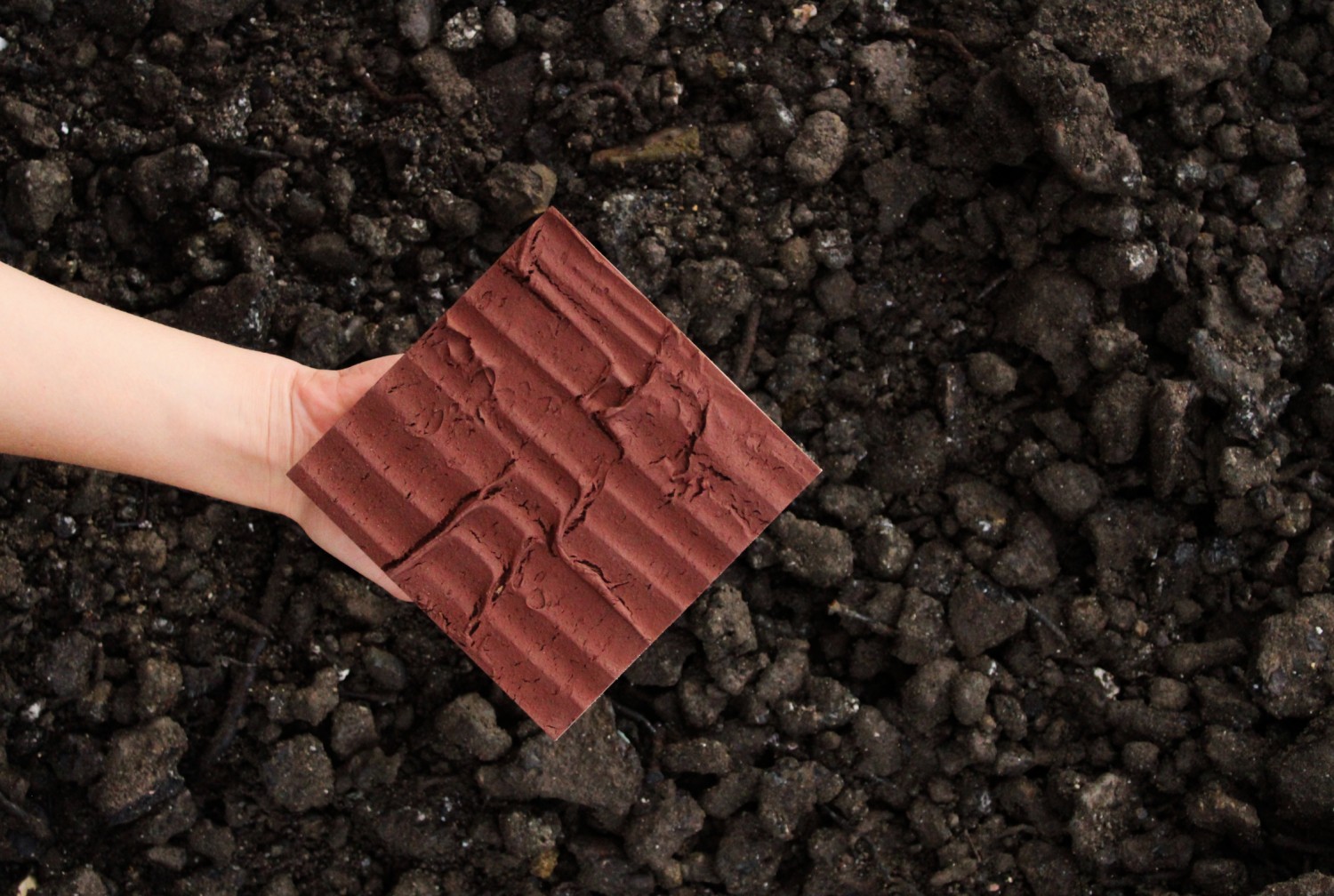
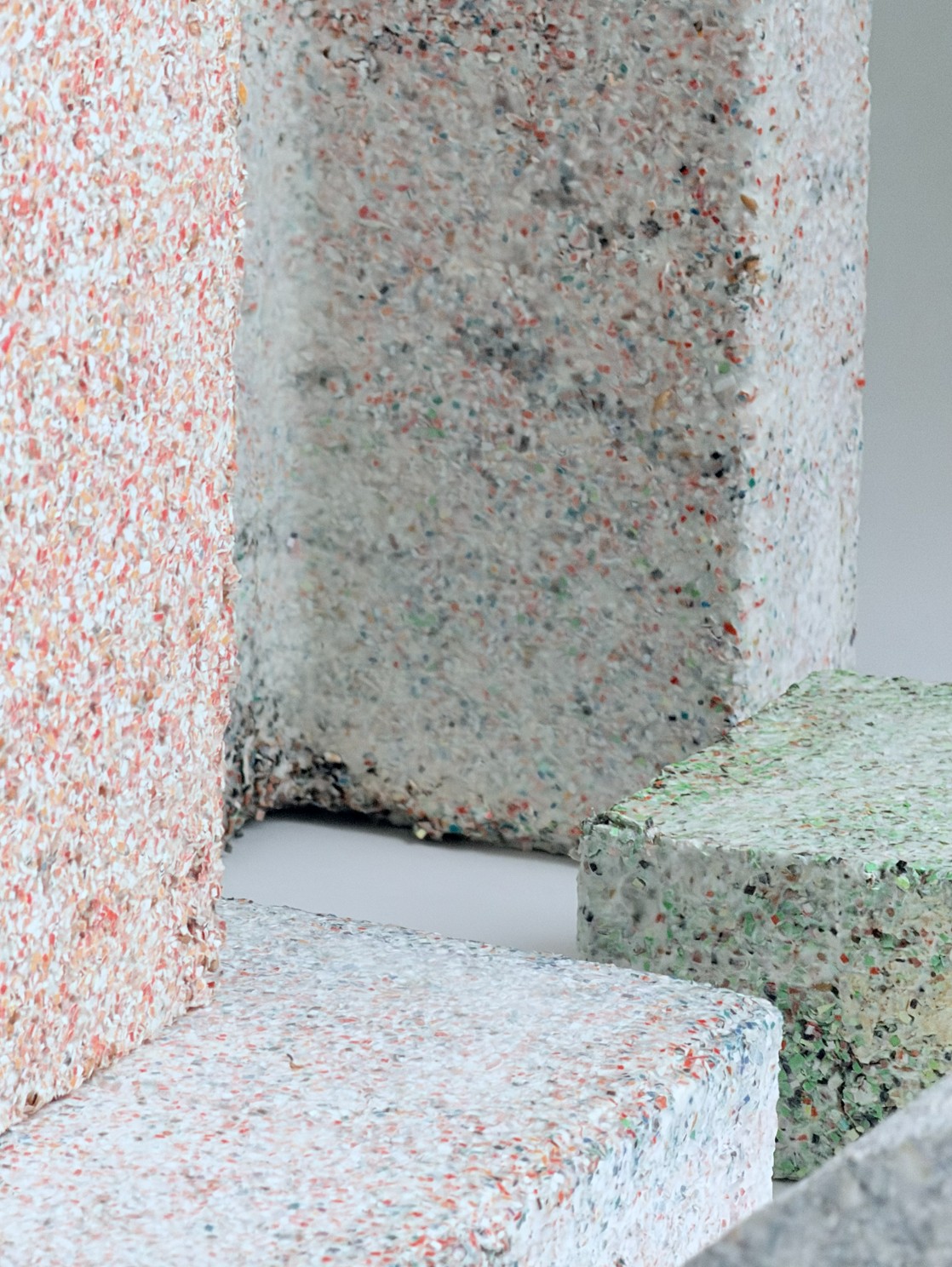
Developed by the Artesa Group in collaboration with designer Mossi Traoré, MOSART® transforms excavated soil into a creative raw material. Its patented industrial process isolates the finest mineral fractions through washing, drying, and grinding to produce Solfill®, a 100% recycled clay-based mineral filler. This material is already used in a wide range of applications, including 3D printing filaments, technical papers, wall coatings, decorative concrete, and woven textiles. Each type of soil retains its own unique mineral signature, making it a fully traceable design parameter linked directly to its original source.
SERICYNE
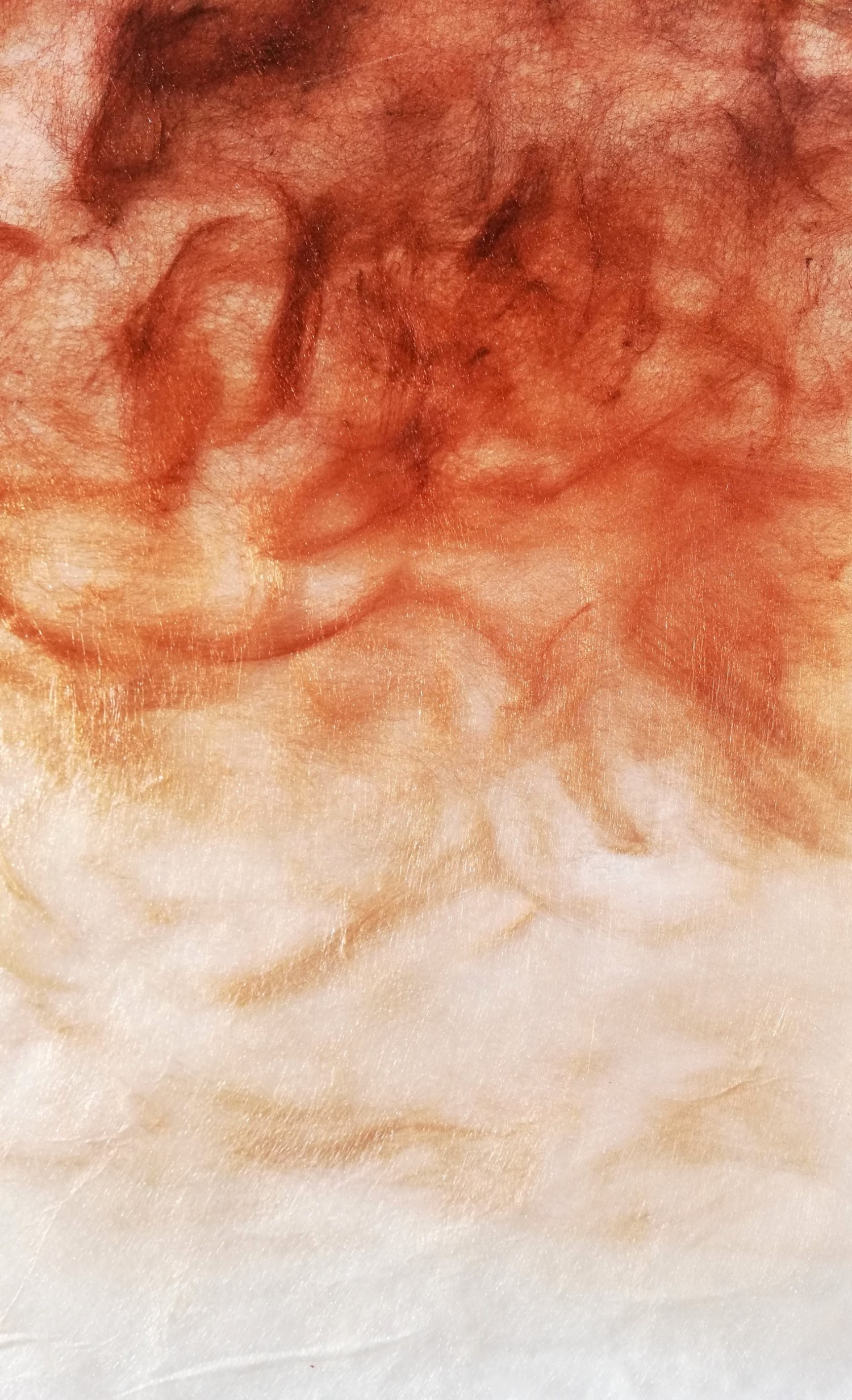
Sericyne® silk is a unique natural material spun directly by silkworms into non-woven sheets, whose irregular structure diffuses a soft, living light. Drawing on more than ten years of experience in interior architecture and design, Sericyne has developed its first collection of bespoke lighting, handcrafted in its workshops in the Cévennes for hospitality, residential, and interior architecture projects. This approach places the revival of French sericulture and Sericyne® Silk at the heart of contemporary luxury and design.
ATELIER LOXIALE
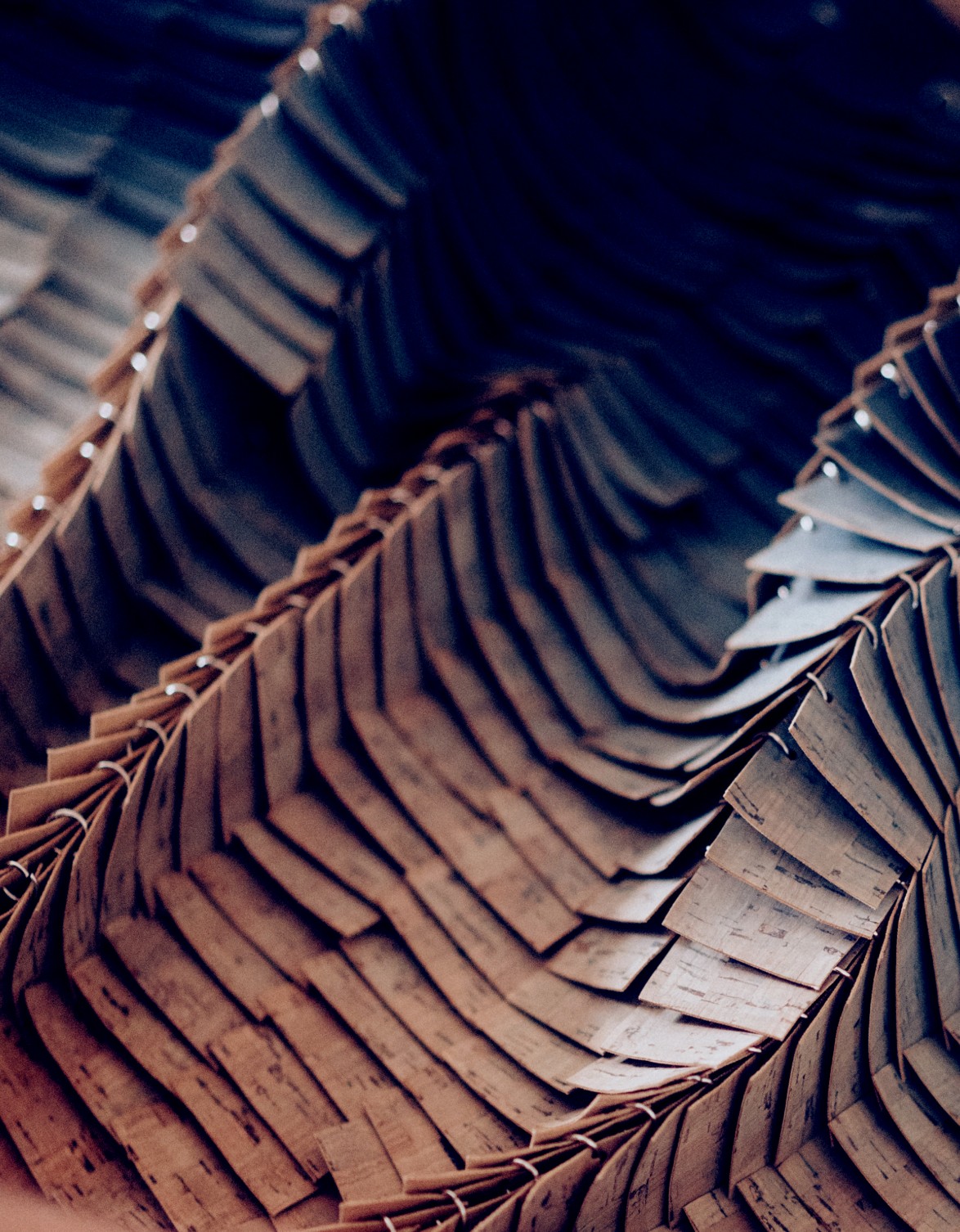
Lucile Drouet creates cork fabrics for architecture, design, and scenography projects. Treated like a textile, cork retains the expressive power of the wood from which it comes: weaving, shaping the material, and plant-based dyeing reveal surfaces whose textures and subtle variations express the identity of this living bark. The workshop has developed an exclusive plant-based dyeing process that makes it possible to colour this naturally waterproof material.
NATURE SQUARED
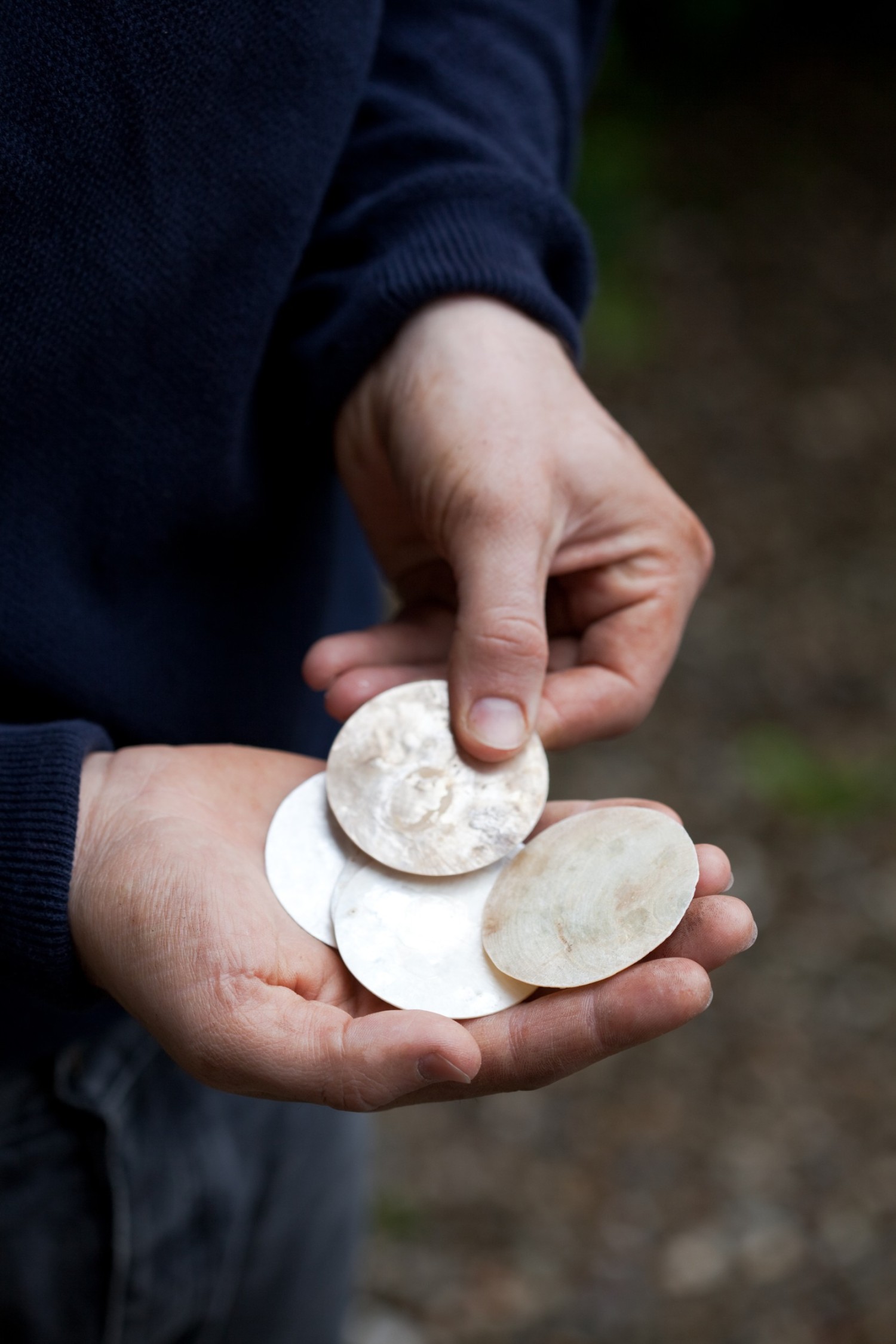
Founded in Switzerland in 2000, Nature Squared transforms overlooked organic materials—including eggshells, oyster shells, fish scales, and palm fibres—into decorative surfaces for hospitality, residential, and marine environments. Its materials library includes more than 150 natural finishes, sourced from farming and fishing communities in the Philippines and handcrafted in the company’s workshops in Cebu, where more than 300 artisans and engineers combine traditional craftsmanship with continuous innovation. Studios in Paris, London, Zurich, New York, and Dubai support architects and designers on exceptional projects worldwide.
RAFFIA CONNECTION
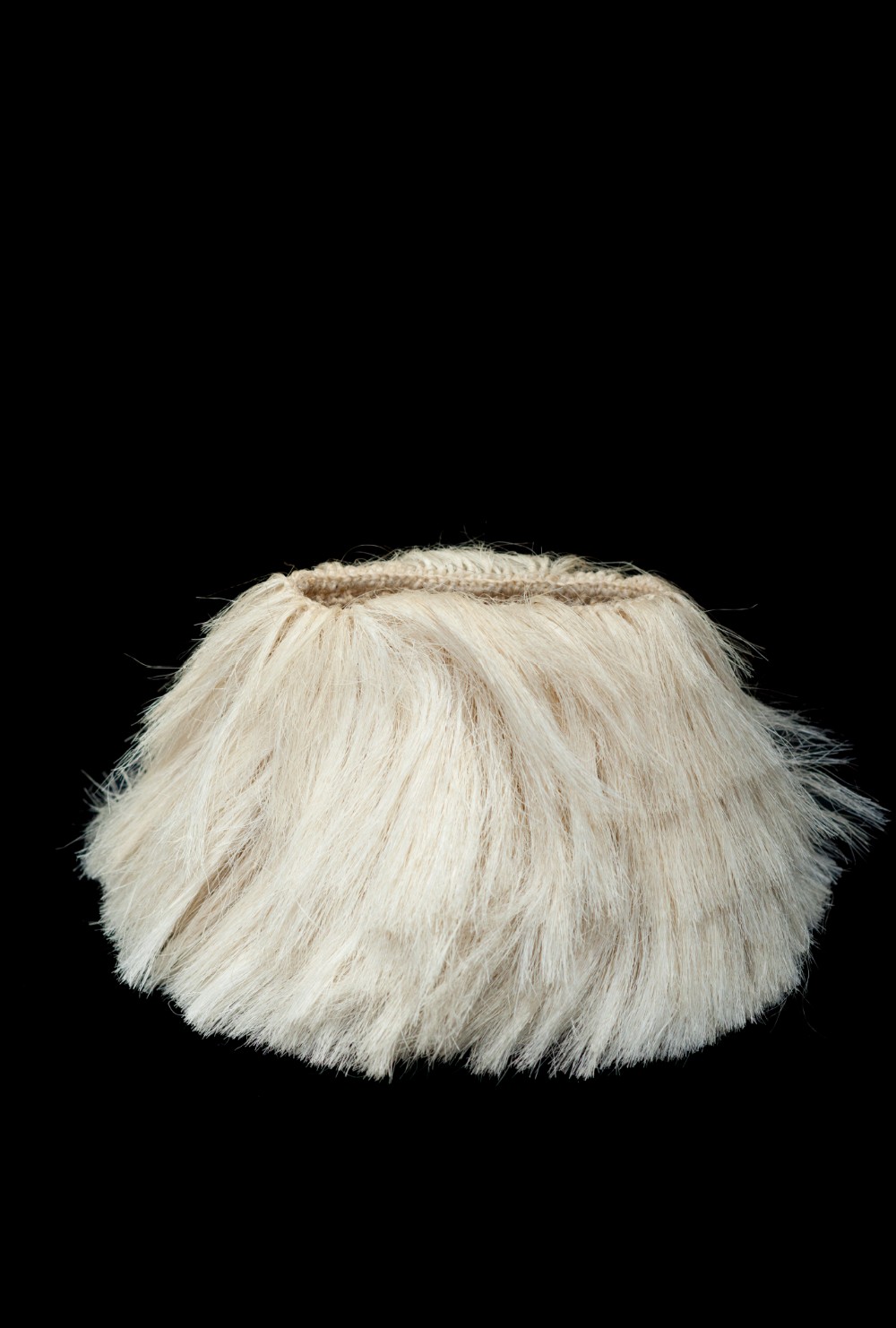
Raffia Connection was founded in Madagascar around a bold ambition: to elevate the island’s natural fibres starting with raffia to the level of luxury and sustainable materials. Since then, its expertise has expanded to leather goods, crochet, and weaving, complementary crafts that make it possible to create handcrafted accessories entirely by hand, from start to finish. Raw raffia is transformed into a supple, even plant-based textile, braided or woven using traditional techniques, then combined with leather to create pieces that unite the lightness of the fibre with the strength of fine craftsmanship.
STUDIO TAKÉ
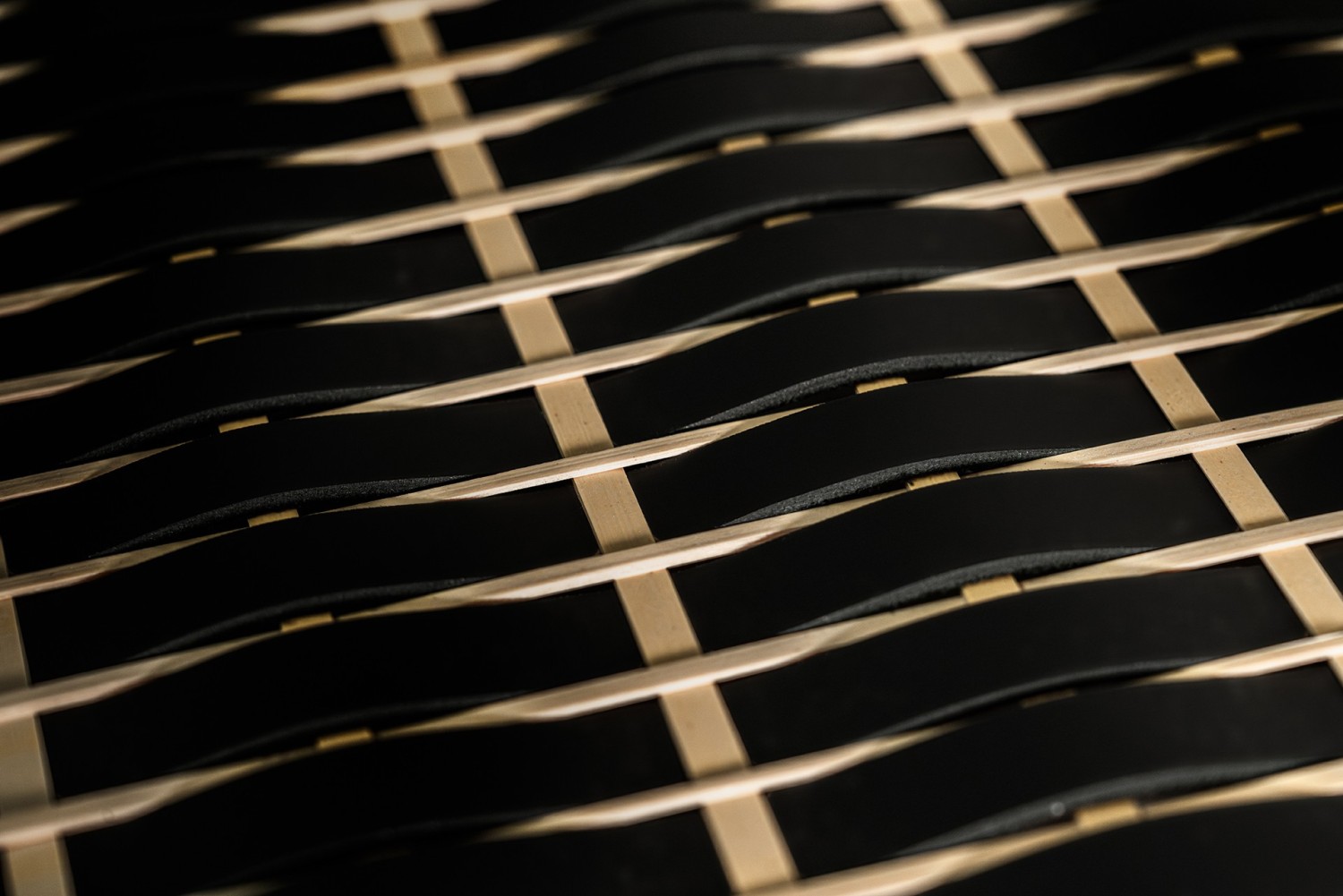
With Studio Také, Laure Julien grounds her expertise in the Japanese art of bamboo basketry, learned from several master artisans in both France and Japan. Split, refined, woven, and assembled by hand, bamboo reveals a flexibility and strength that open up new possibilities for design, scenography, and interior architecture. The studio works exclusively with bamboo grown in France, a fast-growing local resource that remains largely underused in the world of fine craftsmanship.
MAGALI CHOUAYBOU
With Mycocène, Magali Chouaybou explores mycelium as a scenographic medium capable of digesting the cellulose found in paper and textiles to weave its own three-dimensional forms. Biodegradable and produced in series, these modular elements can be reconfigured throughout the seasons through symmetry and layering, offering the flexibility required for retail displays and commercial spaces that evolve over time. First developed for the gift shop of the Musée des Arts Décoratifs in Paris, this circular approach paves the way for reusable display systems designed to endure without freezing the material in a fixed form.
photos : Laser Drop® Partitions, Ground Control, design by Geraud Pelpell and Mathilde Gullaud © Procédés Chenel International • Composite © Alliance For European Flax-Linen & Hemp • Silver Drop®, design by Ayumi Shibata © Procédés Chenel International • Échantillons enduction, Barnabé Richard © MOSART® • Soie teintée © Sericyne • Matière Pangolin, Atelier Loxiale - Lucile DROUET © Mikhael Brun • Capiz Shell © Nature Squared • © Raffia Connection • Studio Také © Antonin Bonnet • © Magali Chouaybou
Design in Its Natural State